|
|
|||||||
Nickel laterite
Hydrometallurgical processes currently used for nickel laterite processing include: nickel products produced by reduction roasting-ammonia leaching, high pressure acid leaching (HPAL), atmospheric leaching, sulfuric acid roasting – water leaching, among which pressure acid leaching and atmospheric leaching are all-hydro-processes.
HPAL process
As for the HPAL process, nickel laterite reacts with sulfuric acid in autoclave to leach out nickel in the form of sulphate into solution at high temperature and pressure, while iron reports to the leached residue in a form of hematite. Through scrubbing, thickening, the leaching solution will be precipitated with hydrogen sulfide, magnesium or sodium hydroxide to generate intermediate product of nickel-cobalt sulfide or nickel-cobalt hydroxides, which can be sold as product, and can also be used continuously to produce metal products through leaching, extraction and electrowinning. The representative project is Ramu Nickel-Cobalt Project in Papua New Guinea.
Ramu Nickel-Cobalt project was completed in 2013, with treating capacity of 3.21 million t/a ore and output of 32,000 t/a nickel and 3,300 t/a cobalt. The process used for the project represents the most advanced and most technologically challenged hydrometallurgical process in the world, for the reason that design and construction of a number of single projects are still blank in China. For example, it is the first time to apply the high-temperature acid dissolution process with temperature more than 250℃ to nonferrous metals smelting in China. It is the first time to adopt the largest articulated truck for developing nickel laterite in the tropical rainforest; it is innovative to apply scrubbing drum and tank-type scrubber to scrubbing process of laterite; it is the first time to use long-distance pipeline (135 km) for the delivery of laterite-nickel slurry in the world. It is also a super-large overseas resources development project, which is located in the seismically active tropical rainforest area. Also within the complex and special international environment and social, political and economic background, the project is developed based on the world's strictest standard for environmental protection despite of insufficient construction materials.
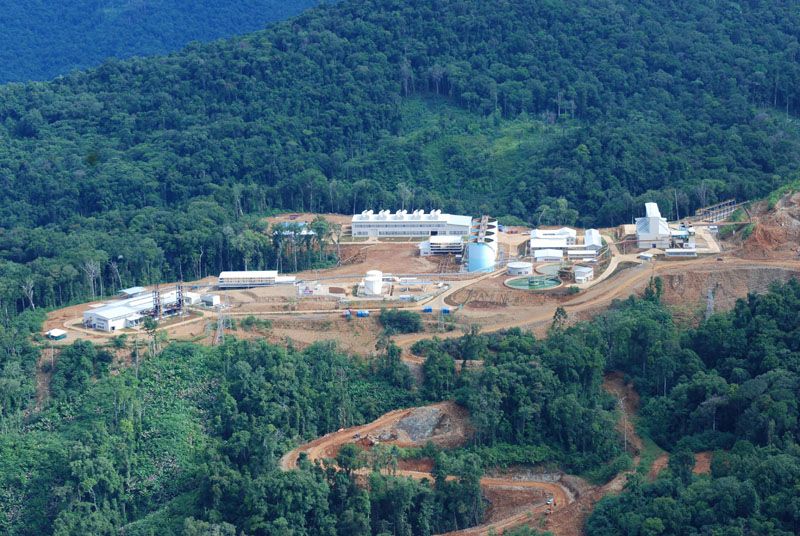
Concentrator
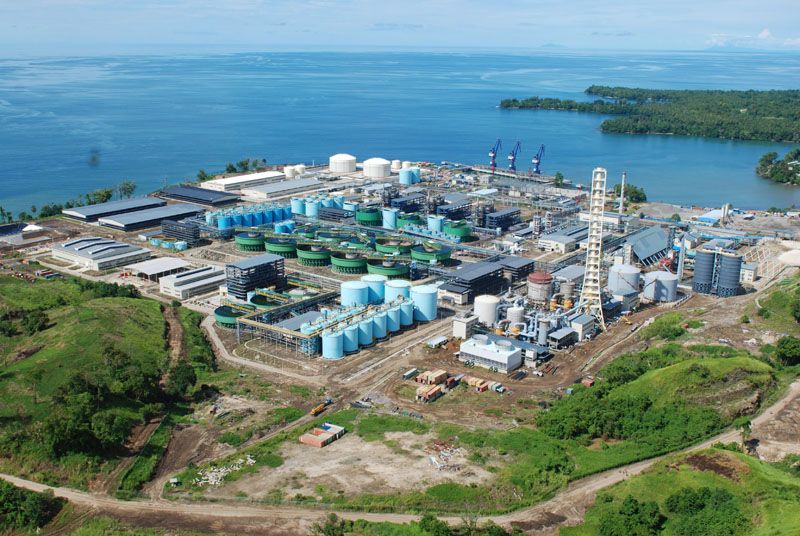
Processing Plant
Atmospheric acid leaching
Generally, as for atmospheric acid leaching, nickel laterite is ground and classified firstly, the grinded slurry together with scrubbing solution reacts with sulfuric acid as per a certain ratio under heating conditions. Nickel contained in the ore is leached into solution, and then is neutralized with a neutralizing agent and filtered for solid-liquid separation. The obtained leachate is purified for nickel and cobalt precipitation to obtain intermediate products of hydroxide or sulfide, which can also go on througn leaching, extraction and electrowinning to obtain metal products. The mechanism of atmospheric pressure acid leaching is basically the same with HPAL. Such technology is simple and takes lower cost. But if atmospheric acid leaching is applied, most of the iron is leached out into solution, and wil not be converted to hematite, causing high acid consumption and high production cost. At present, the process has been successfully applied in China, represented by the Guangxi Yinyi Project.
Raw materials mainly used in Guangxi Yinyi Project are high-Fe and Low-Mg transitional ore at Ni 1.0 ~ 2.0%, or saprolite. The slurry is leached, neutralized, thickened and separated to get nickel solution, which is precipitated to get nickel and cobalt hydroxide. After acid leaching, impurities are removed with using P204 cobalt is extracted with using P507, and sulphate goes through electrowinning to get electrodeposited cobalt. Rafinnate goes through oil removal to obtain electrolytic nickel.
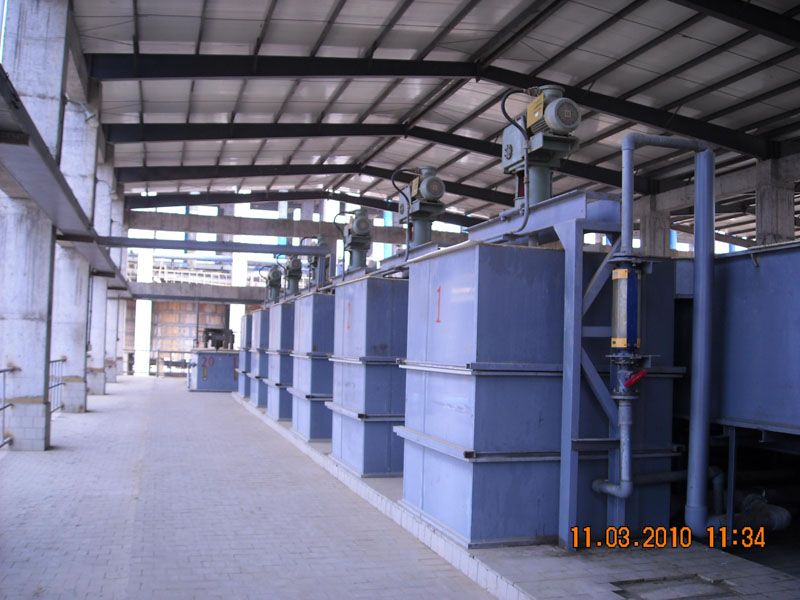
Extraction
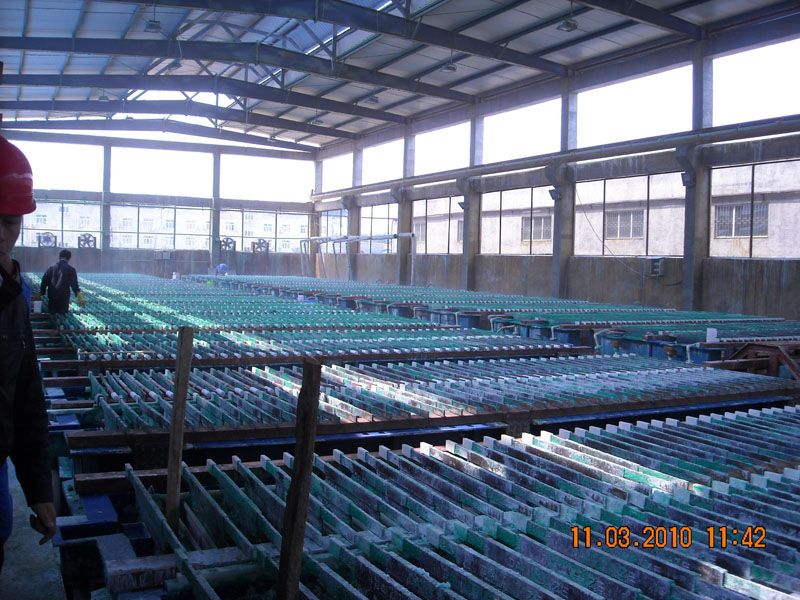
Sulfuric acid roasting - flooding
As for sulfuric acid roasting - water leaching process, laterite is roasted in SO2/O2 atmosphere, or mix concentrated sulfuric acid with laterite as per a certain proportion to cure before roasting. During roasting, nickel and cobalt oxides are converted into corresponding sulfates. Most of the iron exist in the form of insoluble oxide, flood the calcine directly. Roast with SO2/O2 at a temperature 650 ~ 750 ℃, and the higher magnesium content in the ore, the lower the required roasting temperature. Other factors also have quite big impact on the recovery rate of nickel, cobalt, such as SO2 partial pressure, particle size and the added amount of sodium salt; in a sulfuric acid curing and roasting - water leaching process, concentrated sulfuric acid is mixed with laterite homogeneously to roast at 700 ~ 800 ℃, while calcine is leached with water. The leachate goes through impurities removal to recovery nickel and cobalt. Ni and Co recovery of the process is more than 85%. The iron content in leaching residue is higher than 55%, which can be used as raw material for iron smelting or cement production.
Now ENFI has completed the pilot test of the process.
Nickel sulfide ore
Ø Flash furnace process is used for Jinchuan Phase II Project, with 350,000 t/a nickel concentrate capacity, which was put into production in 1993. Jinchuan flash smelting furnace is the fifth and the first nickel flash smelting furnace in the world and Asia respectively independently designed by ENFI.
Ø In the high nickel matte electrolysis project of Jinchuan Group Co., Ltd., the conventional process of cobalt removal by chlorine, copper removal from nickel concentrate and iron removal by neutralization are generally applied for purification, with a production scale of 80,000 t/a.
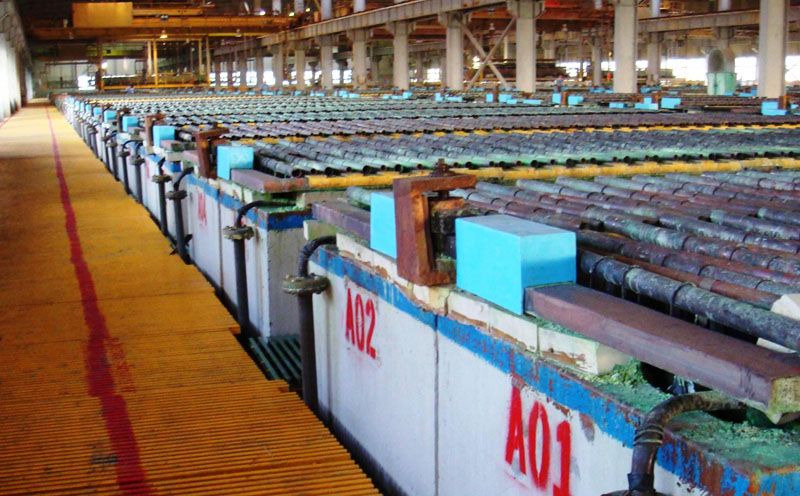
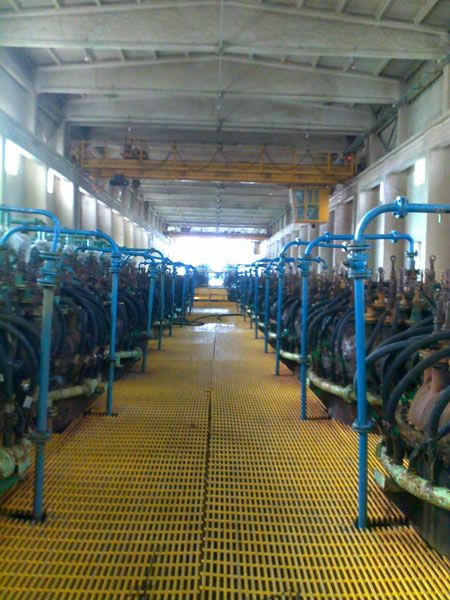
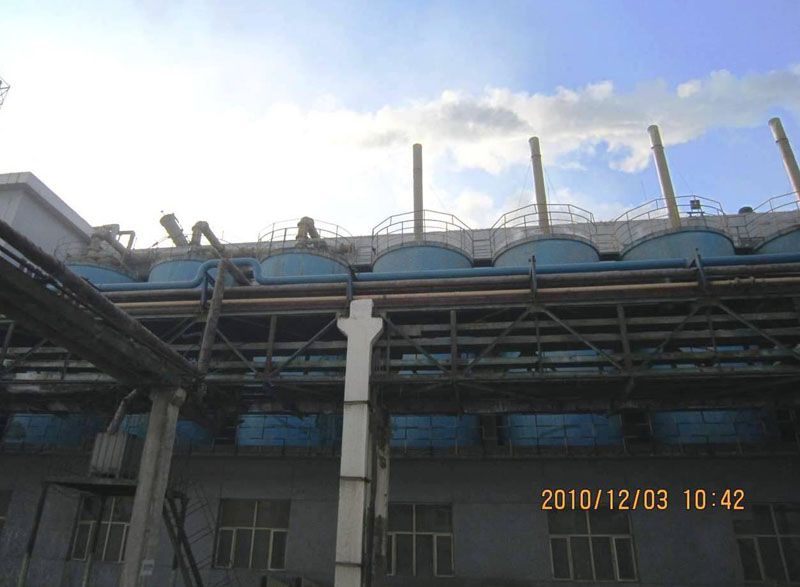
Ø The project of cobaltous sulphate production with POX process in Xinjiang Kalatongke Copper & Nickel Mine. Some of the raffinate, after oil removal, is subject to electrowinning to produce electrolytic nickel. It has been put into production in 1992 with an annual production capacity of 20,000 t electrodeposited nickel, been awarded the first prize of Ministerial and National Science and Technology Advancement Award.
Ø For Jinchuan Project, high nickel matte is used to produce high purity cobalt sulfate by three-stage leaching (atmospheric pressure leaching +POX process) and centrifugal extraction of leaching solution to produce high-purity cobalt sulfate. Part of the raffinate, after oil removal, is subject to electrowinning to produce electrodeposited nickel, with an annual production of 15,000 t electrodeposited nickel. Part of the raffinate, after evaporation, thickening and crystallization, will be used to produce electronic-grade refined nickel sulphate products with an annual output of 30000/a. The project was put into production in 2006.
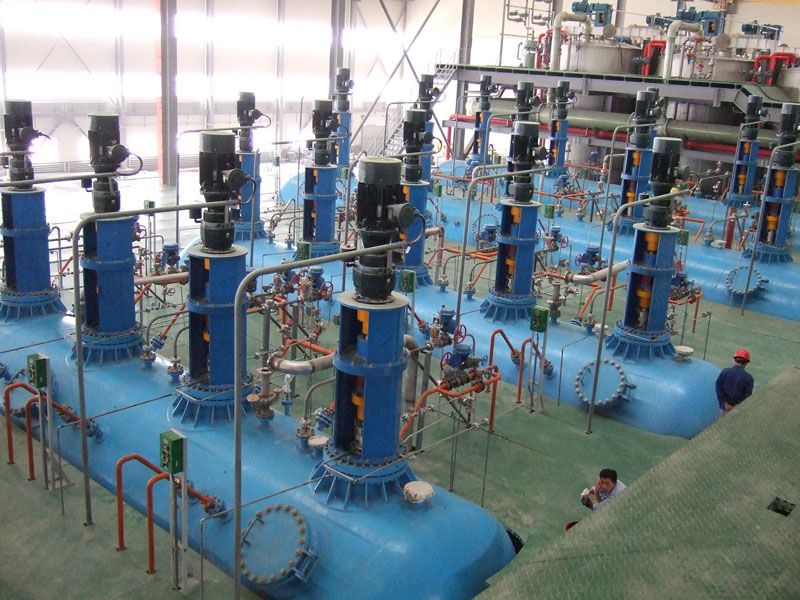
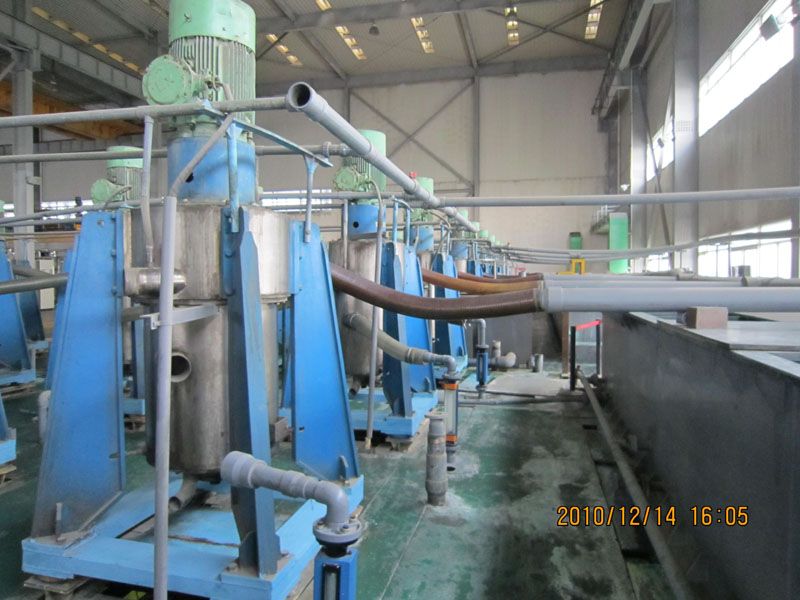
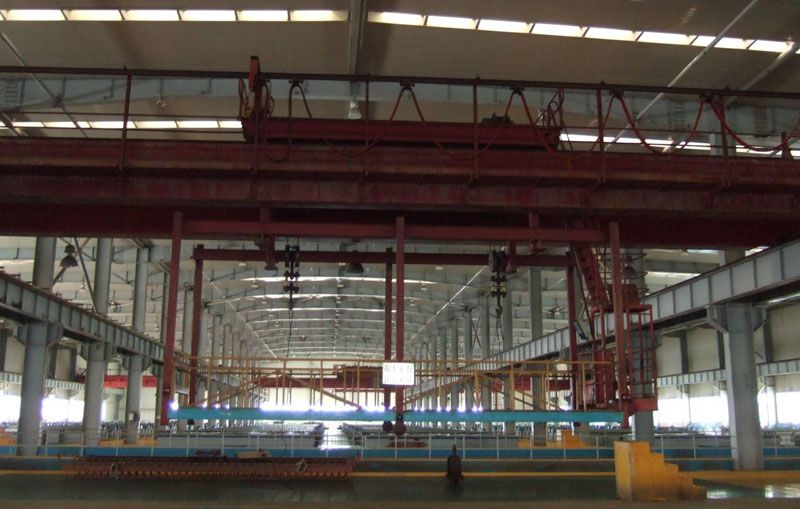
Ø For Jinchuan 500t/a Nickel Carbonyl Project, it is the first project of producing nickel carbonyl product in the country, which applies high pressure (20MPa) synthesis technology to produce nickel shot and iron shots. The project was put into operation in 2001.
Ø For JIEN Nickel Project, high nickel matte is used to produce high purity cobalt sulfate by three-stage leaching (atmospheric pressure leaching + POX process). The leachate is extracted to product high-purity cobalt sulfate. Part of the raffinate, after evaporation, thickening and crystallization, will be used to produce electronic-grade refined nickel sulphate products and byproduct copper sulfate. The project was put into operation in 2001.
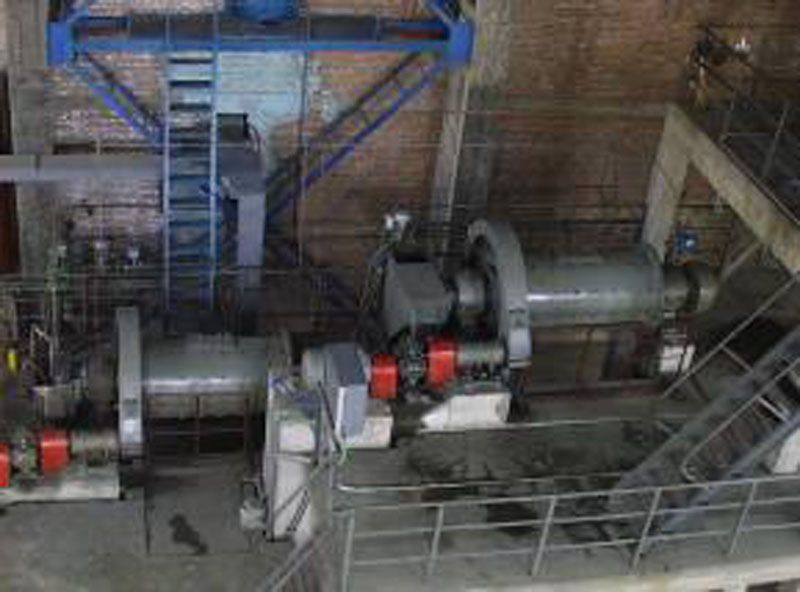
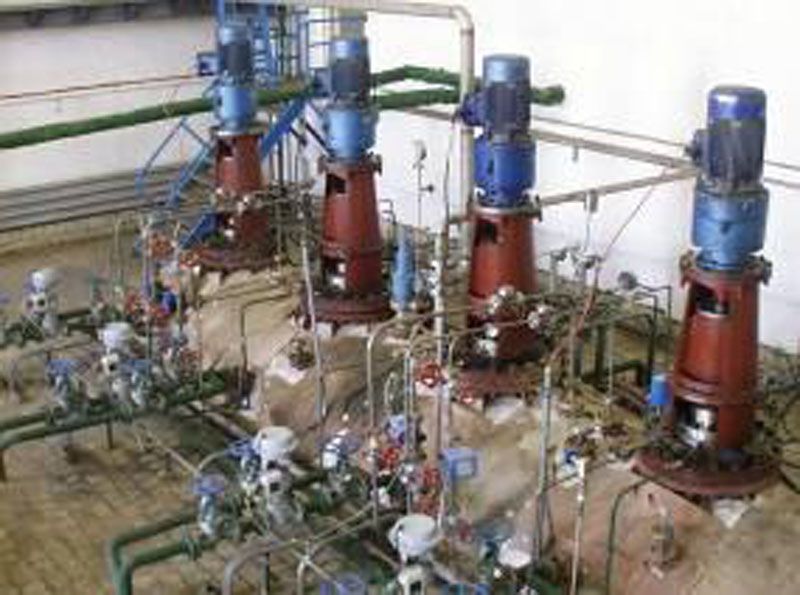
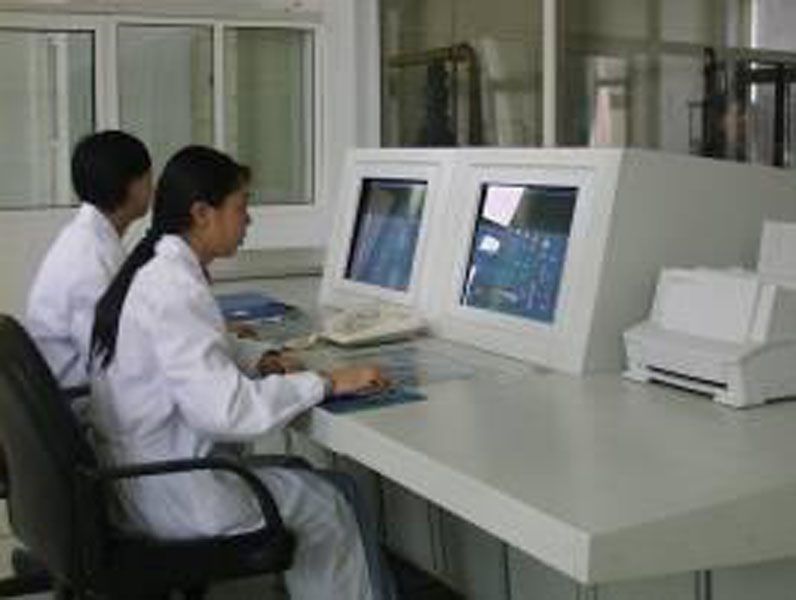
Ø For JIEN Nickel's high nickel matte electrolysis process, Co/Cu removal with extraction and iron removal by neutralization are used for purification process, with production capacity of 5000t/a. The works were put into operation in 2010.
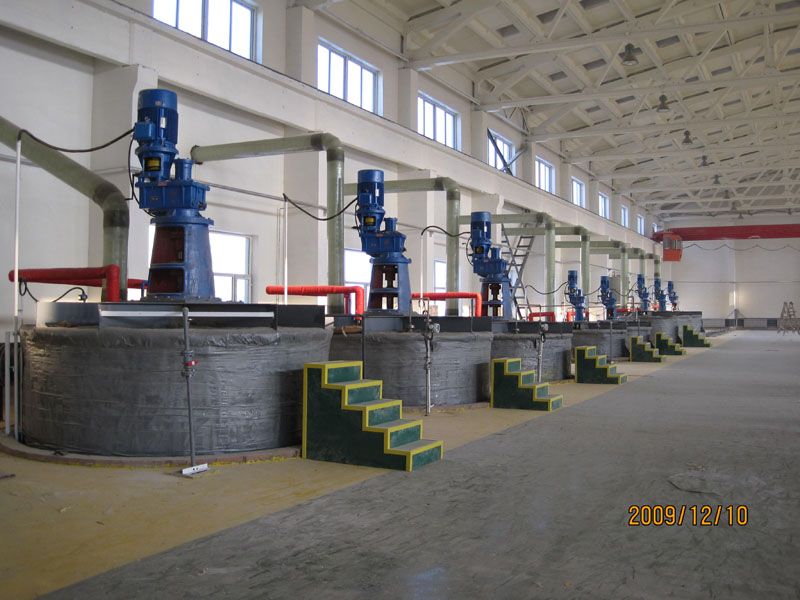
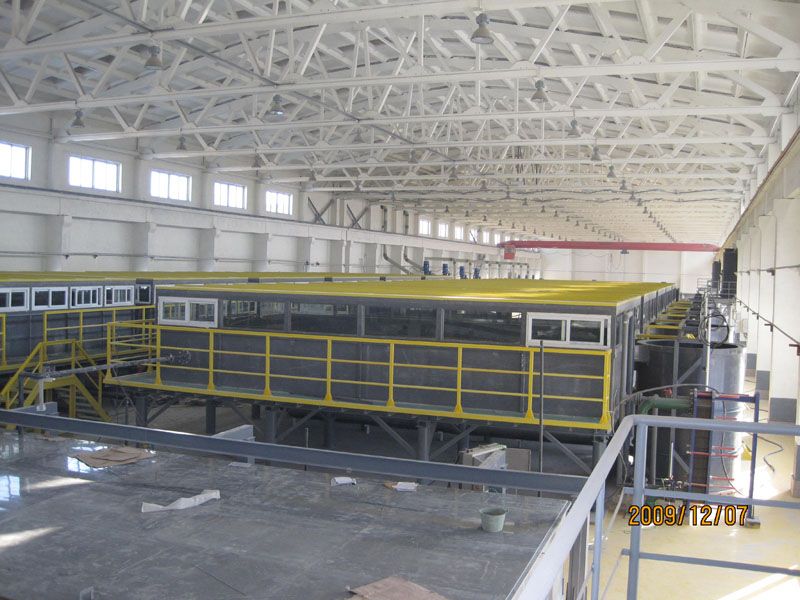
Cobalt-related projects
Ø For the Cobalt & Copper Smelter Project of Hainan Steel & iron Company, the roasting - leaching - extraction process is used to recover copper. Cobalt precipitation in raffinate - cobalt dissolution - extraction with P204 and P507 process is used to produce cobalt sulfate or electrolytic cobalt, with an annual cobalt production capacity of 600t/a. The project was put into operation in 2004.
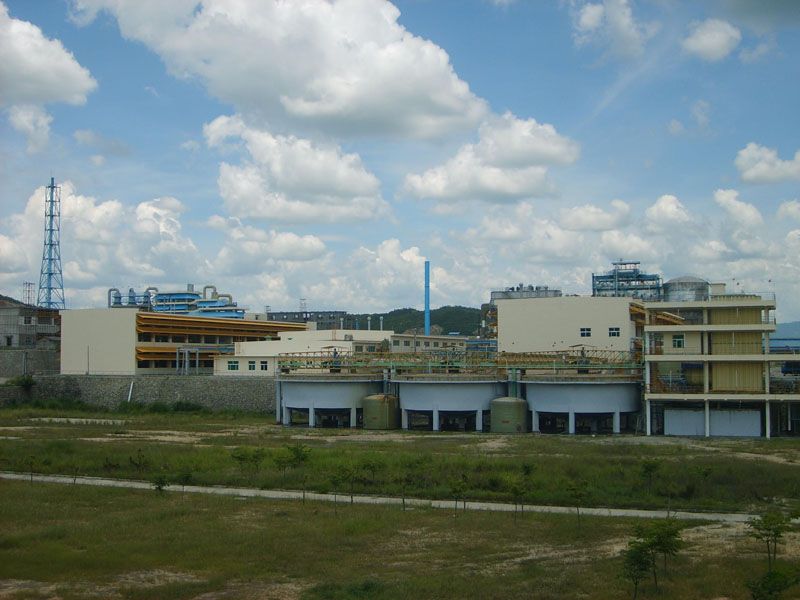
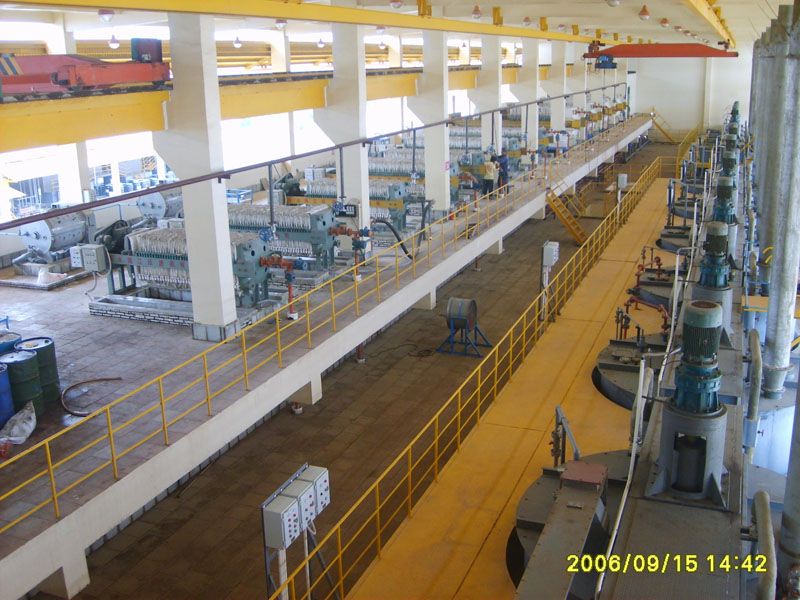
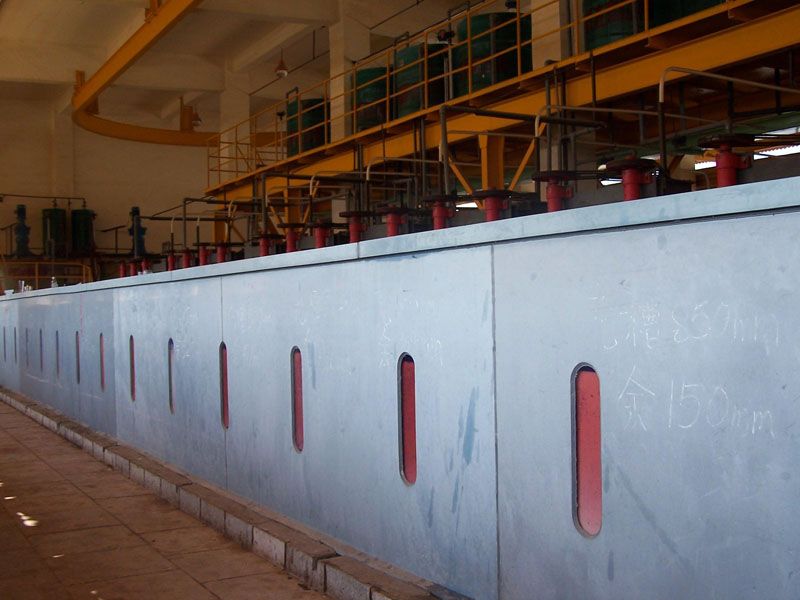
Ø For Huayou Cobalt's new materials project in Quzhou, Zhejiang, the atmospheric acid leaching, HPAL and extraction processes are applied to produce electrolytic copper, electrolytic nickel, cobalt salts and other products, with an annual production capacity of 10,000 t/a electrolytic copper, 10,000 t/a electrolytic nickel and 10,000 t/a cobalt salts (cobalt metal content). The project was put into operation in 2014.
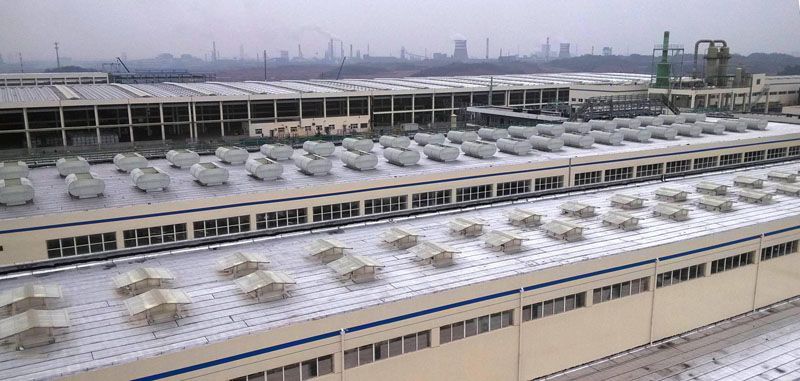
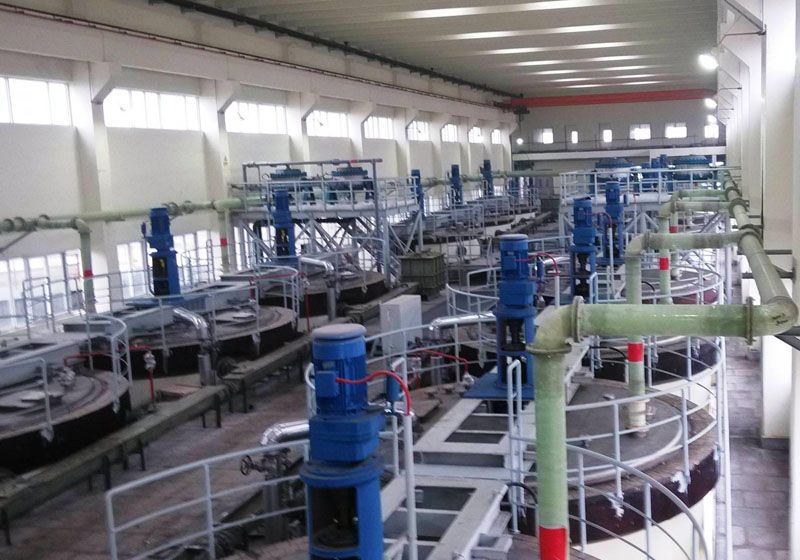
Ø For comprehensive cobalt recovery project for Jiangkou Chemical Plant in Huangyan, Zhejiang, cobalt-containing fellable materials are dissolved through mixed acid leaching or electrolytic dissolution process, and then the solution is purified by extraction with P204, and cobalt is extracted with P507 to produce cobalt salts.
ENFI's nickel and cobalt extraction technology
Currently, extraction process is generally used in nickel and cobalt refining. According to specific project and requirements for product, different extraction processes are applied.
According to the leachate composition, a process of removing impurities firstly before separation and purification is generally applied in China. P204 extracting agent is used for impurities removal to remove iron, copper, manganese, zinc, aluminum etc. and P507, C272 extracting agents are generally used for separation. According to requirements for final product, subsequent deep clarification or purification may be executed. The above-mentioned extracting agents are subject to pretreatment prior to extraction, the reagents are usually sodium hydroxide, ammonia, calcium chloride etc. As required by the process, some of them need to be saponified, such as nickel saponification, cobalt saponification and magnesium saponification etc. ENFI has achieved commercial production of the above-mentioned processes. Representative projects include Quzhou Huayou, Guangxi Yinyi, JIEN Nickel, Jiangsu Xingchen and Zhejiang Huangyan.
In terms of extraction equipment, mixer-settler extractors (including shallow and deep types) are generally used. Centrifugal extractor was used in individual project, such as Jinchuan 30,000 t/a POX project; in terms of extractor materials, PVC board , FRP, steel-lined FRP, concrete lining FRP, stainless steel etc. may be selected, and ENFI has used extractors made of all these materials and has put such extractors into operation; in terms of extractor specifications, extractors designed by ENFI ranges from 150X150mm small size for mixing chamber to diameter of 2000m, which have been put into operation for nickel and cobalt refinery projects.

Copyright ? CHINA ENFI ENGINEERING CORP.All rights reserved.
Beijing ICP:05083690-1
工信部備案號查詢地址 Beijing public safety net:11010802015593.